On this page
- Why Is Following Distance So Important for an 18-Wheeler?
- What If I Was Completely Stopped When the Truck Hit Me?
- Could Distracted Driving Be the Real Cause?
- Could Driver Fatigue Be Involved?
- What If the Driver Says My Vehicle Stopped Suddenly?
- Can Electronic Truck Data Help?
- What If the Truck’s Brakes Were Bad?
- Can the Trucking Company Be Responsible?
- What Evidence Should Be Preserved?
- What Injuries Can a Rear-End 18-Wheeler Wreck Cause?
- What Compensation May Be Involved?
- What Insurance May Cover an 18-Wheeler Accident?
- What Should I Do After Being Rear-Ended by an 18-Wheeler?
- Talk With Jacqueline Scott & Associates
A rear-end collision involving an 18-wheeler should not automatically be treated like an ordinary fender bender. A serious investigation may need to determine how fast the truck was traveling, how long the driver had been following your vehicle, when the driver first applied the brakes, whether the driver was distracted or fatigued, and whether the trucking company contributed to the unsafe circumstances.
If you were stopped, slowing normally, or otherwise driving lawfully when an 18-wheeler struck you from behind, preserving evidence quickly can be important.
Why Is Following Distance So Important for an 18-Wheeler?
A tractor-trailer cannot necessarily respond like a passenger car.
Stopping distance can be affected by numerous factors, including:
- speed;
- vehicle weight;
- cargo;
- road conditions;
- weather;
- tire condition;
- brake condition;
- driver reaction time; and
- whether the driver was paying attention.
A truck driver who follows another vehicle too closely reduces the amount of time available to recognize a hazard and react.
For example, if traffic ahead slows because of congestion, construction, an accident, or a red light, a driver following at an appropriate distance has more opportunity to respond.
A driver traveling too close behind another vehicle may not.
What If I Was Completely Stopped When the Truck Hit Me?
That fact can be extremely important.
You might have been:
- sitting at a red light;
- stopped at a stop sign;
- stopped in interstate traffic;
- waiting behind another vehicle;
- stopped for construction;
- stopped because of an earlier wreck; or
- slowing because traffic ahead had stopped.
Photographs, witnesses, police reports, video, and electronic evidence may help establish where your vehicle was and what was happening before impact.
The investigation should also determine what the truck was doing.
Was it slowing?
Was it traveling at highway speed?
Did the driver brake?
Did the truck leave skid marks?
Did the driver attempt to change lanes?
Those details can help reconstruct the collision.
Could Distracted Driving Be the Real Cause?
Yes.
Following too closely may be part of the problem, while distraction explains why the driver failed to react.
A commercial driver might be distracted by:
- a cellphone;
- text messages;
- navigation;
- dispatch communications;
- an in-cab device;
- paperwork;
- food or drinks; or
- another activity.
Potential evidence could include cellphone records, dispatch communications, dashcam footage, driver-facing video, witness statements, and other electronic information.
The exact evidence available will depend on the truck and trucking operation.
Could Driver Fatigue Be Involved?
Fatigue can affect reaction time, attention, and judgment.
Federal hours-of-service requirements regulate driving and on-duty periods for covered commercial drivers. Electronic logging devices may contain information relevant to a driver’s recorded duty status.
But the investigation should not necessarily stop with the driver’s log.
Other records may include:
- GPS information;
- fuel receipts;
- dispatch records;
- delivery records;
- toll information;
- bills of lading; and
- time-stamped company communications.
Comparing records can help investigators understand the driver’s activities before the collision.
What If the Driver Says My Vehicle Stopped Suddenly?
Truck drivers and trucking companies may dispute how a rear-end accident occurred.
The fact that the driver makes an allegation does not establish what happened.
Evidence should be evaluated.
Questions may include:
- Why did your vehicle stop?
- Was traffic already slowing?
- Were other vehicles stopped?
- How long were you stopped?
- How far behind you was the truck?
- How fast was the truck traveling?
- When did the driver notice the traffic?
- When did the driver begin braking?
Dashcam footage can be especially useful if available because it may show traffic conditions in front of the truck before impact.
Nearby businesses, traffic systems, or other motorists may also have video.
Can Electronic Truck Data Help?
Potentially.
Modern tractors and trucking fleets can contain multiple electronic systems.
Depending on the equipment, investigators may look for information from:
- electronic control modules;
- event-related data;
- GPS systems;
- telematics;
- dashcams;
- electronic logging devices;
- fleet-management systems; and
- other onboard technology.
Different systems record different information.
An ELD, for example, is principally associated with hours-of-service compliance and should not automatically be treated as the truck’s crash-data recorder.
Other systems may be more relevant to questions involving speed, braking, or vehicle operation.
What If the Truck’s Brakes Were Bad?
Mechanical condition can change the investigation significantly.
Suppose the driver noticed stopped traffic and attempted to brake, but the truck did not stop properly.
Investigators may need to examine:
- brake components;
- inspection reports;
- maintenance records;
- repair records;
- driver vehicle inspection information;
- prior complaints; and
- the physical tractor and trailer.
The question becomes more than whether the driver followed too closely.
It may also become: Why was a truck with a braking problem on the highway?
Depending on the evidence, the motor carrier, maintenance provider, or another responsible entity could become relevant.
Can the Trucking Company Be Responsible?
Possibly.
An investigation may examine both the driver’s conduct and the company’s conduct.
Issues could include:
- driver qualification;
- training;
- supervision;
- safety policies;
- hours-of-service compliance;
- scheduling;
- vehicle maintenance; and
- previous safety concerns.
The trucking company may also possess important evidence concerning the driver’s trip.
That makes early preservation important.
What Evidence Should Be Preserved?
Potential evidence includes:
- truck dashcam footage;
- driver-facing camera footage;
- electronic truck information;
- GPS records;
- ELD records;
- dispatch communications;
- cellphone information;
- driver qualification records;
- inspection records;
- maintenance records;
- photographs;
- police reports;
- witness statements; and
- surveillance footage.
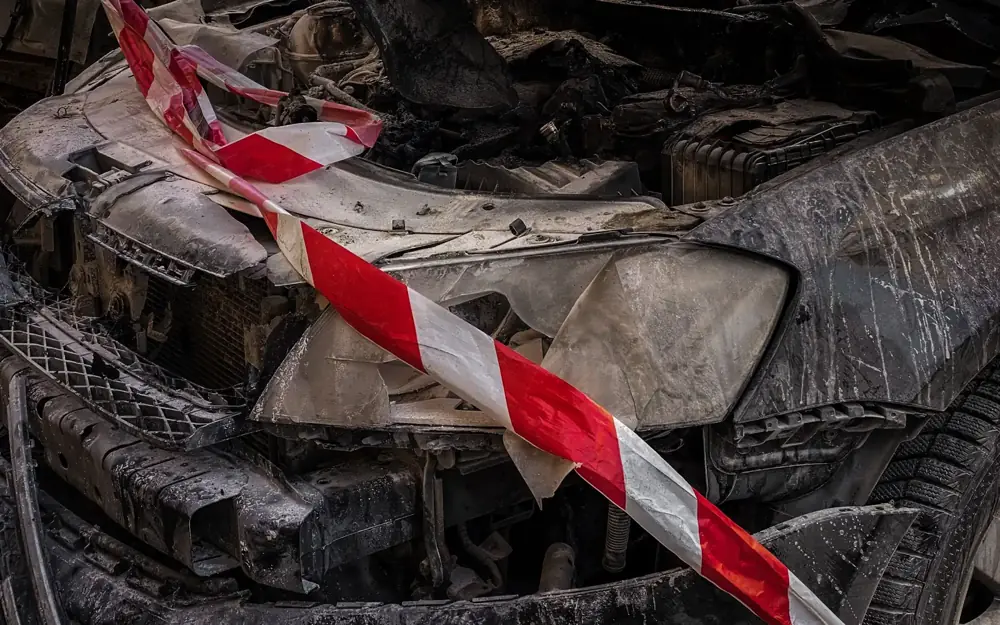
The damaged vehicles themselves may also contain relevant evidence.
In a severe collision, consider the evidentiary implications before a vehicle is destroyed or disposed of.
What Injuries Can a Rear-End 18-Wheeler Wreck Cause?
The injuries can be severe.
They may include:
- traumatic brain injury;
- concussion;
- neck injuries;
- spinal injuries;
- herniated discs;
- shoulder injuries;
- fractures;
- internal injuries;
- nerve damage;
- knee injuries; and
- permanent impairment.
High-energy rear-end crashes can also result in fatalities.
Serious injuries may require hospitalization, injections, surgery, physical therapy, rehabilitation, or long-term care.
What Compensation May Be Involved?
The damages available depend on the facts and Louisiana law.
A serious injury claim may involve issues such as:
- past medical expenses;
- future medical needs;
- lost wages;
- reduced earning capacity;
- physical pain;
- disability;
- permanent limitations; and
- other legally recoverable losses.
A catastrophic injury should be evaluated for its long-term impact rather than simply adding up bills incurred during the first few weeks after the accident.
What Insurance May Cover an 18-Wheeler Accident?
Commercial trucking operations may have different insurance arrangements from ordinary motorists.
Depending on the circumstances, potentially relevant coverage could include commercial auto liability insurance and, in some cases, excess or umbrella insurance or other financial-responsibility arrangements.
If additional companies contributed to the accident, separate coverage questions may arise.
The amount and availability of coverage must be verified in each individual case.
What Should I Do After Being Rear-Ended by an 18-Wheeler?
Get appropriate medical care.
If possible, preserve photographs and information concerning:
- the tractor;
- trailer;
- company logo;
- USDOT number;
- license plates;
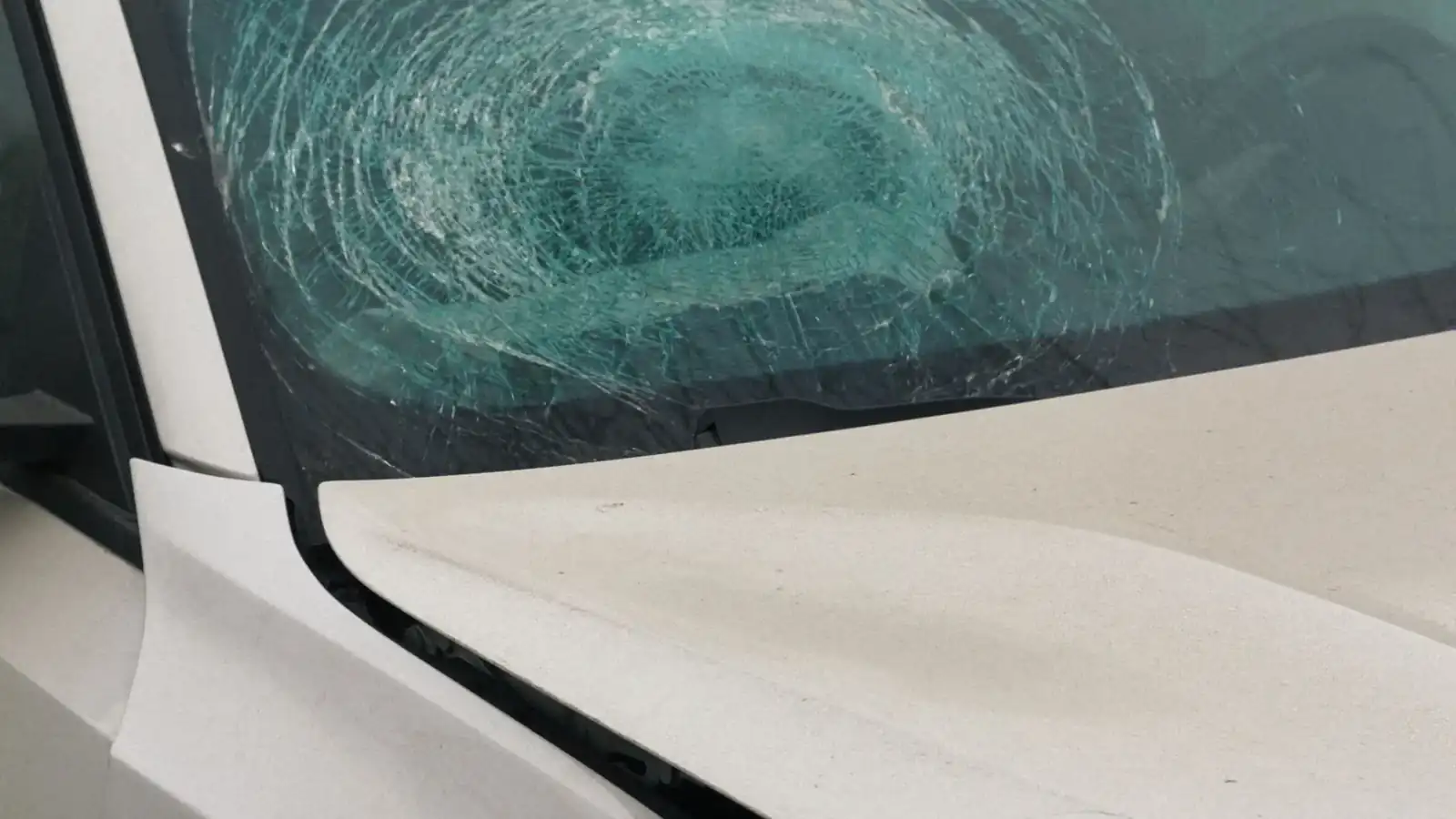
- vehicle damage;
- roadway;
- witnesses; and
- nearby cameras.
Keep records of your treatment, expenses, missed work, and communications concerning the collision.
Be cautious about signing a release before you understand what injuries and future treatment may be involved.
Talk With Jacqueline Scott & Associates
If an 18-wheeler was following too closely and struck your vehicle, the investigation should determine more than who received a traffic citation.
Why couldn’t the truck stop?
Was the driver distracted or fatigued?
Was the truck traveling too fast?
Were the brakes properly maintained?
What electronic evidence exists?
Was the trucking company following appropriate safety practices?
Jacqueline Scott & Associates can investigate the driver, trucking company, electronic evidence, equipment, and insurance involved in a serious Louisiana 18-wheeler wreck.
Make ’Em Pay.
Call Jacqueline Scott & Associates at (318) 746-5997.
Every case is different. Results depend on the specific facts and circumstances of each individual matter. Prior results do not guarantee a similar outcome. This article provides general educational information and is not legal advice.
This article is general information about Louisiana law and is not legal advice. Laws and deadlines can change, and every case depends on its own facts. Past results do not guarantee or predict future outcomes. Reading this page or contacting the firm does not by itself create an attorney-client relationship.