On this page
- Car Accidents in Lafayette
- I-10 and I-49 Accidents
- 18-Wheeler Accidents
- Why Commercial Evidence Should Be Preserved Quickly
- Truck Driver Fatigue
- Distracted Truck Driving
- Truck Maintenance
- Multiple Trucking Defendants
- Out-of-State Trucking Companies
- Company Vehicle Accidents
- Motorcycle Accidents
- Pedestrian Accidents
- Catastrophic Injury Claims
- Medical Evidence and Causation
- Future Medical Care
- Lost Wages and Earning Capacity
- What Compensation May Be Available?
- Louisiana's 51% Comparative Fault Rule
- Louisiana's General Two-Year Filing Period
- Wrongful Death in Lafayette
- High-Risk Traffic Corridors and Hazard Zones in Lafayette
- Types of Personal Injury Cases We Handle in Lafayette
- Frequently Asked Questions
- Contact a Lafayette Personal Injury Lawyer
Lafayette's location near major transportation corridors means local drivers share the road with commercial vehicles traveling throughout Louisiana and across state lines.
If another driver, trucking company, employer, contractor, or business caused your injuries, Louisiana law may allow you to pursue compensation.
Jacqueline Scott & Associates represents accident victims in Lafayette, Lafayette Parish, and throughout Louisiana.
Our personal injury practice includes:
- car accidents;
- I-10 accidents;
- I-49 accidents;
- 18-wheeler wrecks;
- commercial vehicle accidents;
- motorcycle accidents;
- pedestrian accidents;
- company-vehicle accidents;
- catastrophic injuries;
- wrongful death; and
- other serious personal injury claims.
Call (318) 746-5997.
Car Accidents in Lafayette
Potential causes include:
- distracted driving;
- speeding;
- following too closely;
- failure to yield;
- unsafe lane changes;
- improper turns;
- impaired driving;
- aggressive driving; and
- failure to maintain control.
I-10 and I-49 Accidents
Major interstate traffic can create serious accident risks involving:
- 18-wheelers;
- high-speed rear-end crashes;
- unsafe lane changes;
- merging collisions;
- driver fatigue;
- distraction;
- multi-vehicle accidents; and
- construction zones.
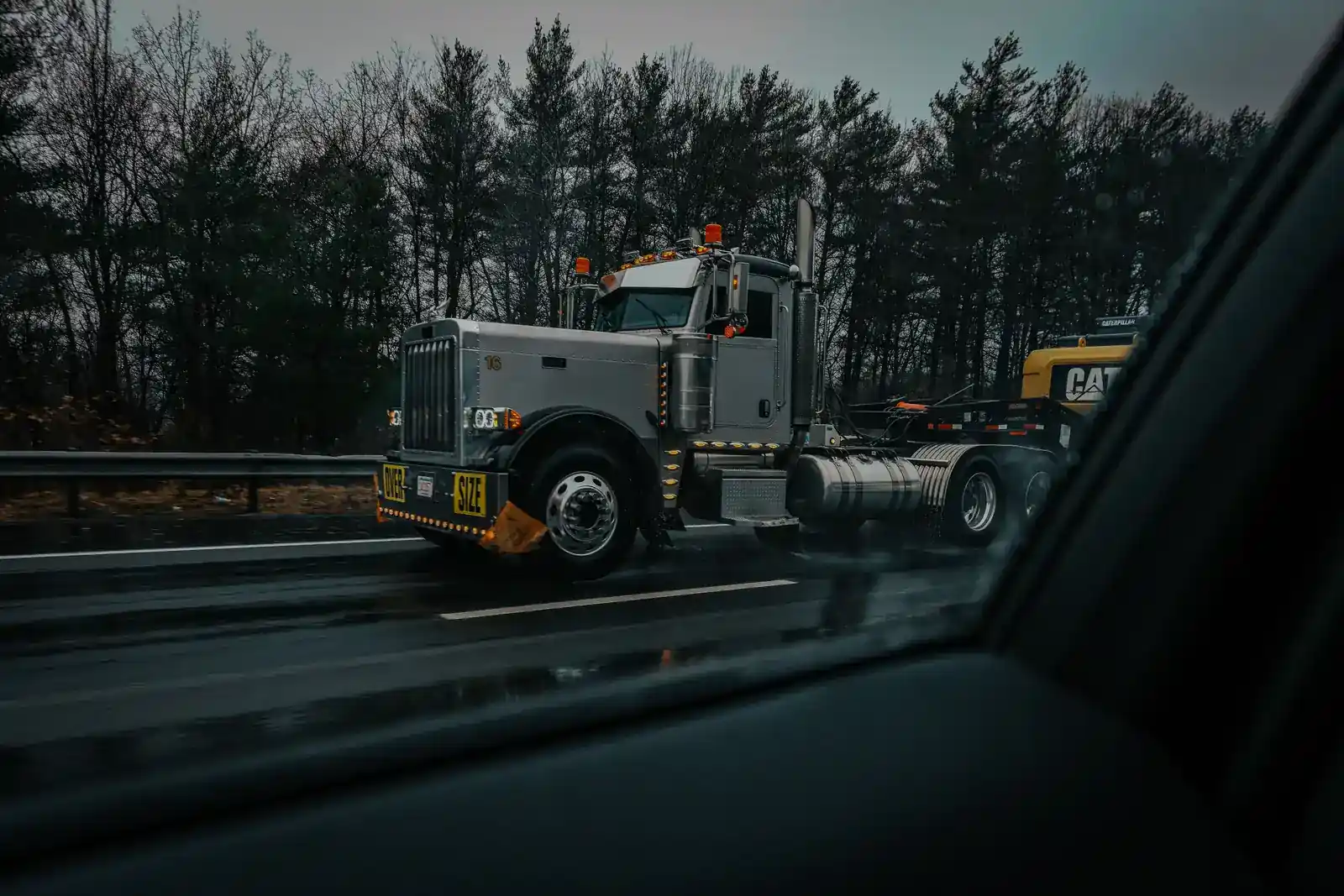
18-Wheeler Accidents
Potential trucking evidence can include:
- electronic logs;
- GPS;
- telematics;
- dashcam footage;
- driver-facing camera footage;
- dispatch communications;
- driver qualification records;
- maintenance records;
- inspection documents; and
- cargo information.
Why Commercial Evidence Should Be Preserved Quickly
Potential evidence can disappear through:
- routine electronic overwriting;
- deletion of video;
- vehicle repair;
- changing roadway conditions; and
- fading witness memories.
The legal filing period should not be treated as an evidence-preservation period.
Truck Driver Fatigue
Covered commercial drivers are subject to federal hours-of-service requirements.
When fatigue may have contributed to an accident, electronic logs may be compared with GPS, dispatch, fuel, delivery, and other time-stamped information.
Distracted Truck Driving
Potential distractions include:
- cellphones;
- text messages;
- navigation systems;
- dispatch equipment;
- paperwork;
- food; and
- other activities.
Truck Maintenance
Potential mechanical problems can involve:
- brakes;
- tires;
- steering;
- lighting;
- suspension; and
- coupling equipment.
The truck itself may become important evidence when mechanical failure is suspected.
Multiple Trucking Defendants
Potential defendants can include:
- driver;
- motor carrier;
- employer;
- tractor owner;
- trailer owner;
- maintenance contractor;
- cargo-loading company; and
- another negligent business.
Each company's actual involvement must be established.
Out-of-State Trucking Companies
Commercial carriers using Louisiana interstates may be headquartered in another state.
A company's location outside Louisiana does not automatically prevent a claim arising from a Louisiana collision.
Company Vehicle Accidents
Serious commercial crashes may also involve:
- work pickups;
- contractor trucks;
- delivery vehicles;
- service vans;
- utility vehicles; and
- other company-owned vehicles.
Motorcycle Accidents
Motorcyclists can suffer severe injuries when another driver:
- fails to yield;
- turns across their path;
- changes lanes unsafely;
- follows too closely; or
- drives distracted.
Pedestrian Accidents
Pedestrian collisions may occur around intersections, crosswalks, parking areas, businesses, residential roads, and other areas with vehicle and foot traffic.
Catastrophic Injury Claims
Potential catastrophic injuries include:
- traumatic brain injury;
- spinal cord damage;
- paralysis;
- amputations;
- severe burns;
- crush injuries;
- multiple fractures;
- internal organ damage; and
- permanent neurological impairment.
Medical Evidence and Causation
Potential evidence includes:
- emergency treatment;
- diagnostic imaging;
- specialist evaluations;
- surgical records;
- therapy;
- physician opinions;
- medical restrictions; and
- relevant prior medical records.
Future Medical Care
Potential future needs may include:
- surgery;
- rehabilitation;
- physical therapy;
- medication;
- injections;
- prosthetics;
- medical equipment;
- attendant care; and
- home modifications.
Lost Wages and Earning Capacity
Potential evidence can include:
- payroll information;
- tax documents;
- employment history;
- medical restrictions;
- vocational evidence; and
- economic analysis.
What Compensation May Be Available?
Depending on Louisiana law and the evidence, potential damages may include:
- past medical expenses;
- future medical expenses;
- rehabilitation;
- lost wages;
- diminished earning capacity;
- property damage;
- physical pain;
- mental anguish;
- disability;
- loss of enjoyment of life; and
- other legally recoverable damages.
Louisiana's 51% Comparative Fault Rule
For claims governed by Louisiana Civil Code Article 2323 as amended effective January 1, 2026, a claimant found 51% or more negligent cannot recover damages.
When claimant negligence is below 51%, damages are reduced according to the assigned percentage.
Louisiana's General Two-Year Filing Period
Louisiana Civil Code Article 3493.1 generally provides a two-year prescriptive period for delictual actions beginning when injury or damage is sustained.
The legislation establishing the period became effective July 1, 2024.
Older accidents and specialized claims may involve different deadlines.
Wrongful Death in Lafayette
Fatal interstate, car, truck, motorcycle, pedestrian, and commercial-vehicle accidents may potentially create survival and wrongful-death actions.
High-Risk Traffic Corridors and Hazard Zones in Lafayette
Lafayette serves as the primary commercial and transportation hub of Acadiana, leading to high traffic density and frequent collisions involving passenger cars, commercial rigs, and commuters.
Dangerous roads and intersection zones in Lafayette Parish include:
- Interstate 10 & I-49 Interchange: Heavy freight corridor with frequent lane merges, severe traffic slowdowns, and high-speed rear-end impacts.
- Ambassador Caffery Parkway (LA-3073): Major commercial thoroughfare lined with retail centers and heavy traffic, prone to broadside T-bone collisions and side-swipe crashes.
- Johnston Street (US-167): High-volume arterial road stretching through the heart of Lafayette, frequently seeing rear-end collisions and pedestrian incidents.
- Evangeline Thruway (US-90): Primary north-south transit route carrying heavy industrial transport, drayage trucks, and local traffic through densely populated intersections.
- Kaliste Saloom Road: Busy commercial corridor experiencing rapid commercial growth, resulting in high crash rates during morning and evening rush hours.
- Pinhook Road (LA-182): Narrow, congested arterial route prone to heavy traffic delays, turning-lane crashes, and delivery vehicle collisions.
Types of Personal Injury Cases We Handle in Lafayette
Personal injury claims arise when a person suffers harm due to the careless, reckless, or intentional conduct of another party.
Injury claims handled in Lafayette and the Acadiana area include:
- Motor Vehicle Collisions: Car, truck, motorcycle, and rideshare accidents caused by distracted driving, excessive speeding, drunk driving, or red-light violations.
- Commercial Trucking & 18-Wheeler Wrecks: Severe collisions involving heavy freight carriers, intermodal shipping rigs, and delivery fleets along I-10 and I-49.
- Premises Liability & Slip and Fall Incidents: Dangerous slip, trip, and fall hazards occurring at grocery stores, shopping centers, restaurants, and private properties due to unaddressed spills, poor lighting, or structural defects.
- Industrial & Workplace Injuries: Severe trauma occurring at warehouse facilities, distribution hubs, construction sites, and oilfield service yards.
- Dog Bites and Animal Attacks: Physical and emotional trauma caused by unprovoked dog attacks resulting from negligent pet ownership or inadequate restraint.
- Wrongful Death & Catastrophic Injuries: Fatal incidents and life-altering physical trauma such as spinal cord damage, traumatic brain injuries (TBI), and severe burns.
Frequently Asked Questions
How long do I have after a Lafayette accident?
Louisiana's current general rule provides two years for delictual actions. Accident dates and specialized claims may affect the deadline.
What if an 18-wheeler hit me on I-10 or I-49?
The investigation may involve the driver, motor carrier, electronic logs, GPS, maintenance, equipment ownership, cargo, insurance, and other companies.
What if several vehicles were involved?
Physical evidence, electronic data, witnesses, dashcams, and accident reconstruction may help determine the sequence of impacts and potential responsibility.
Can I recover if I was partially responsible?
For claims governed by current Article 2323, claimant negligence below 51% may reduce damages without necessarily barring recovery.
What if I need future surgery or rehabilitation?
Reasonably supported future medical care may potentially be included in a serious injury claim.
What if I cannot return to my old job?
Diminished earning capacity may potentially be recoverable when supported by appropriate evidence.
Where is the courthouse located for Lafayette Parish injury claims?
Civil injury lawsuits for incidents occurring in Lafayette Parish are filed at the 15th Judicial District Court, located at 800 S. Buchanan Street, Lafayette, LA 70501.
What medical facilities handle trauma care in Lafayette?
Emergency medical evaluation and trauma treatment are provided by major local healthcare institutions, including Ochsner Lafayette General Medical Center and Our Lady of Lourdes Regional Medical Center.
What law enforcement agencies generate crash reports in Lafayette?
Accident reports in Lafayette Parish are investigated and documented by the Lafayette Police Department, the Lafayette Parish Sheriff's Office, or Louisiana State Police Troop I.
Contact a Lafayette Personal Injury Lawyer
If you were seriously injured in Lafayette or elsewhere in Lafayette Parish, contact:
Jacqueline Scott & Associates
(318) 746-5997
Make ’Em Pay.
Every case is different. Results depend on the specific facts and circumstances of each individual matter. Prior results do not guarantee a similar outcome. This article provides general educational information and is not legal advice.
This article is general information about Louisiana law and is not legal advice. Laws and deadlines can change, and every case depends on its own facts. Past results do not guarantee or predict future outcomes. Reading this page or contacting the firm does not by itself create an attorney-client relationship.