On this page
- What Is a T-Bone 18-Wheeler Accident?
- Who Is at Fault When an 18-Wheeler T-Bones a Car?
- Traffic-Light Evidence Can Be Important
- Could the Trucking Company Be Responsible?
- What Electronic Evidence Might Exist?
- What If the Truck Driver Says I Ran the Light?
- What Injuries Can Result From a Side-Impact Truck Accident?
- Who Might Be Responsible?
- What About Commercial Insurance?
- What Should I Do After a T-Bone 18-Wheeler Accident?
- Don’t Let Important Evidence Disappear
- Injured by an 18-Wheeler in Louisiana?
If an 18-wheeler T-boned you in Louisiana and you were not at fault, the truck driver may not be the only person or company that should be investigated. The trucking company, motor carrier, equipment owners, maintenance providers, and other businesses connected to the truck could potentially become relevant depending on why the crash happened.
The key is determining why the 18-wheeler entered your path, what evidence exists, who was responsible, and what insurance may apply.
What Is a T-Bone 18-Wheeler Accident?
A T-bone collision occurs when the front of one vehicle strikes the side of another.
These wrecks frequently happen at:
- intersections;
- traffic lights;
- stop signs;
- highway entrances;
- business entrances;
- left-turn areas; and
- cross streets.
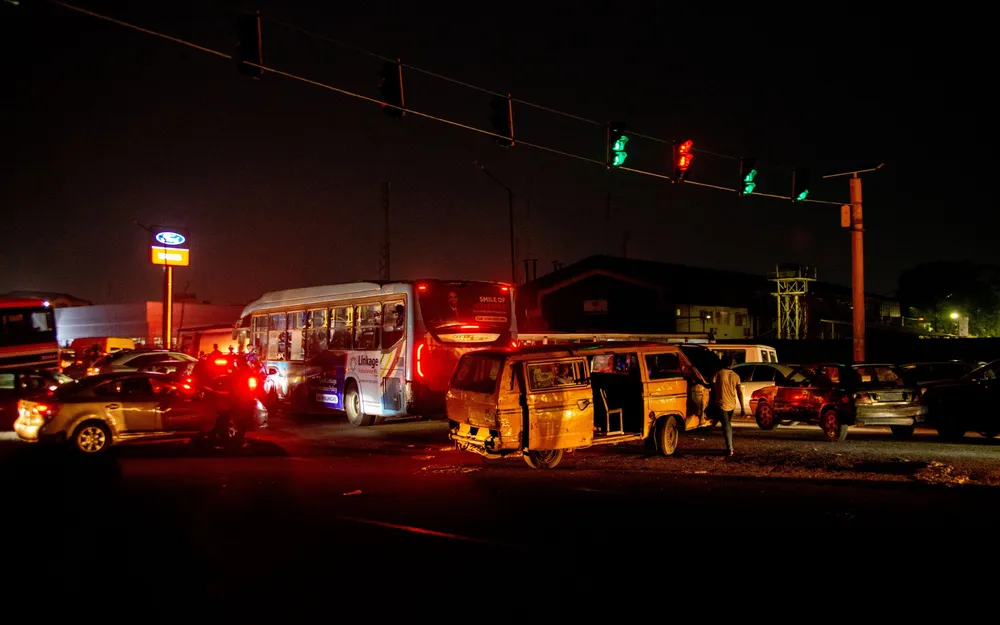
For example, you may have entered an intersection with a green light when an 18-wheeler traveling in the other direction failed to stop and struck the side of your vehicle.
Another common scenario involves a tractor-trailer making a left turn across traffic and colliding with an approaching vehicle.
Who Is at Fault When an 18-Wheeler T-Bones a Car?
Fault depends on how the collision occurred.
Potential causes can include a truck driver:
- running a red light;
- running a stop sign;
- failing to yield;
- speeding;
- driving while distracted;
- driving while fatigued;
- misjudging an intersection;
- making an unsafe left turn; or
- failing to maintain proper control.
Do not assume the driver’s explanation determines fault.
Evidence should be examined.
Traffic-Light Evidence Can Be Important
When both drivers claim they had the right of way, determining the traffic-light sequence can become crucial.
Investigators may look for:
- traffic cameras;
- nearby surveillance cameras;
- dashcam footage;
- witness statements;
- police body-camera footage;
- 911 calls;
- vehicle damage;
- roadway evidence; and
- available electronic truck information.
Businesses near an intersection may have security cameras that captured the collision even when there is no government traffic camera recording available.
Video can sometimes be overwritten quickly, making early investigation important.
Could the Trucking Company Be Responsible?
Potentially.
The driver’s negligence may be only one part of an investigation.
Questions can include:
- Who employed or controlled the driver?
- Was the driver properly qualified?
- Was the driver properly trained?
- Was the driver fatigued?
- Was the trucking company monitoring the driver’s hours?
- Did the company know about previous safety problems?
- Was the truck properly maintained?
- Was the driver being pressured to meet a schedule?
The answers depend on the particular trucking operation and collision.
What Electronic Evidence Might Exist?
Modern commercial trucking operations can generate significant amounts of information.
Depending on the equipment, evidence may include:
- electronic logging device records;
- GPS information;
- telematics;
- electronic control module information;
- event data;
- dashcam footage;
- driver-facing camera footage;
- dispatch communications; and
- cellphone records.
Different systems record different information.
For example, electronic logging devices are primarily used to document hours-of-service information. Other vehicle systems may contain information relating to vehicle speed or operation.
An investigation should identify the specific equipment installed on the truck involved in your accident.
What If the Truck Driver Says I Ran the Light?
A disputed story does not mean the case cannot be proven.
Objective evidence can be extremely important.
Suppose the truck driver claims you entered the intersection against a red light.
A nearby business camera might show otherwise.
A witness may have seen the truck run the light.
Electronic or physical evidence might also help establish the truck’s movements before impact.
The goal is to reconstruct what happened rather than simply accepting one driver’s version.
What Injuries Can Result From a Side-Impact Truck Accident?
T-bone accidents can cause severe injuries because the point of impact may be close to the driver or passenger.
Possible injuries include:
- traumatic brain injuries;
- spinal cord injuries;
- neck and back injuries;
- broken ribs;
- pelvic fractures;
- hip injuries;
- shoulder injuries;
- internal bleeding;
- organ damage;
- broken arms or legs;
- nerve damage; and
- permanent disability.
Some victims require surgery, hospitalization, rehabilitation, or long-term care.
Fatal injuries are also possible.
Who Might Be Responsible?
Depending on the facts, an investigation could involve the:
- truck driver;
- trucking company;
- motor carrier;
- driver’s employer;
- tractor owner;
- trailer owner;
- maintenance provider; or
- another company whose conduct contributed to the crash.
Not every trucking accident involves multiple responsible defendants.
But a serious case should identify the complete commercial operation rather than assuming the name on the driver’s insurance card tells the whole story.
What About Commercial Insurance?
An 18-wheeler involved in interstate commerce may be subject to federal financial-responsibility requirements depending on the carrier, vehicle, and cargo.
Actual available coverage can vary.
Potential coverage may include primary commercial liability insurance, excess coverage, umbrella coverage, self-insurance arrangements, or policies associated with additional responsible companies.
A regulatory minimum should never be confused with the actual amount of insurance available in a particular accident.
Coverage must be investigated based on the facts.
What Should I Do After a T-Bone 18-Wheeler Accident?
First, obtain appropriate medical care.
When possible, also preserve information from the scene.
Useful information may include:
- photographs of the tractor and trailer;
- company names;
- USDOT numbers;
- license plates;
- witness information;
- photographs of traffic signals;
- photographs of vehicle damage; and
- photographs of nearby businesses that may have cameras.
Keep your medical records, bills, work-loss documentation, and accident-related expenses organized.
Don’t Let Important Evidence Disappear
Truck accident evidence can change or disappear.
The truck may be repaired. Electronic information may be overwritten. Video may be deleted through routine retention systems. Witnesses may become harder to locate.
Preserving evidence early can therefore be critical even when the cause of the collision initially appears obvious.
Injured by an 18-Wheeler in Louisiana?
If an 18-wheeler T-boned you and you were not at fault, Jacqueline Scott & Associates can investigate what happened and the businesses connected to the truck.
A serious investigation may examine the driver, trucking company, electronic records, witnesses, video, vehicle data, safety records, and applicable insurance.
Make ’Em Pay.
Call Jacqueline Scott & Associates at (318) 746-5997 to discuss your Louisiana 18-wheeler wreck.
Every case is different. Results depend on the specific facts and circumstances of each individual matter. Prior results do not guarantee a similar outcome. This article provides general information and is not legal advice.
This article is general information about Louisiana law and is not legal advice. Laws and deadlines can change, and every case depends on its own facts. Past results do not guarantee or predict future outcomes. Reading this page or contacting the firm does not by itself create an attorney-client relationship.