
On this page
- Why Does Level I Trauma Care Matter After a Serious Accident?
- Ochsner LSU Health Shreveport and North Louisiana Trauma Care
- What About Willis-Knighton?
- What Are the Most Serious Car Accident Injuries?
- Traumatic Brain Injury
- Spinal Cord Injury
- Amputation Injuries
- Severe Burn Injuries
- Why Are 18-Wheeler Injuries Often So Severe?
- Multiple Liable Parties in Trucking Cases
- Why Identifying Every Responsible Party Matters
- Commercial Insurance Can Be Different From Passenger-Car Insurance
- Could There Be More Than One Insurance Layer?
- Louisiana’s Direct Action Law Has Changed
- Why Isn’t the Jury Simply Told the Insurance Limits?
- How Are Catastrophic Damages Evaluated?
- What If the Patient Cannot Return to Work?
- What If a Family Member Must Become a Caregiver?
- What Medical Records Matter?
- What If the Insurance Company Makes an Early Offer?
- What Should a Family Do While the Patient Is Hospitalized?
- Jacqueline Scott & Associates Handles Serious Injury Cases
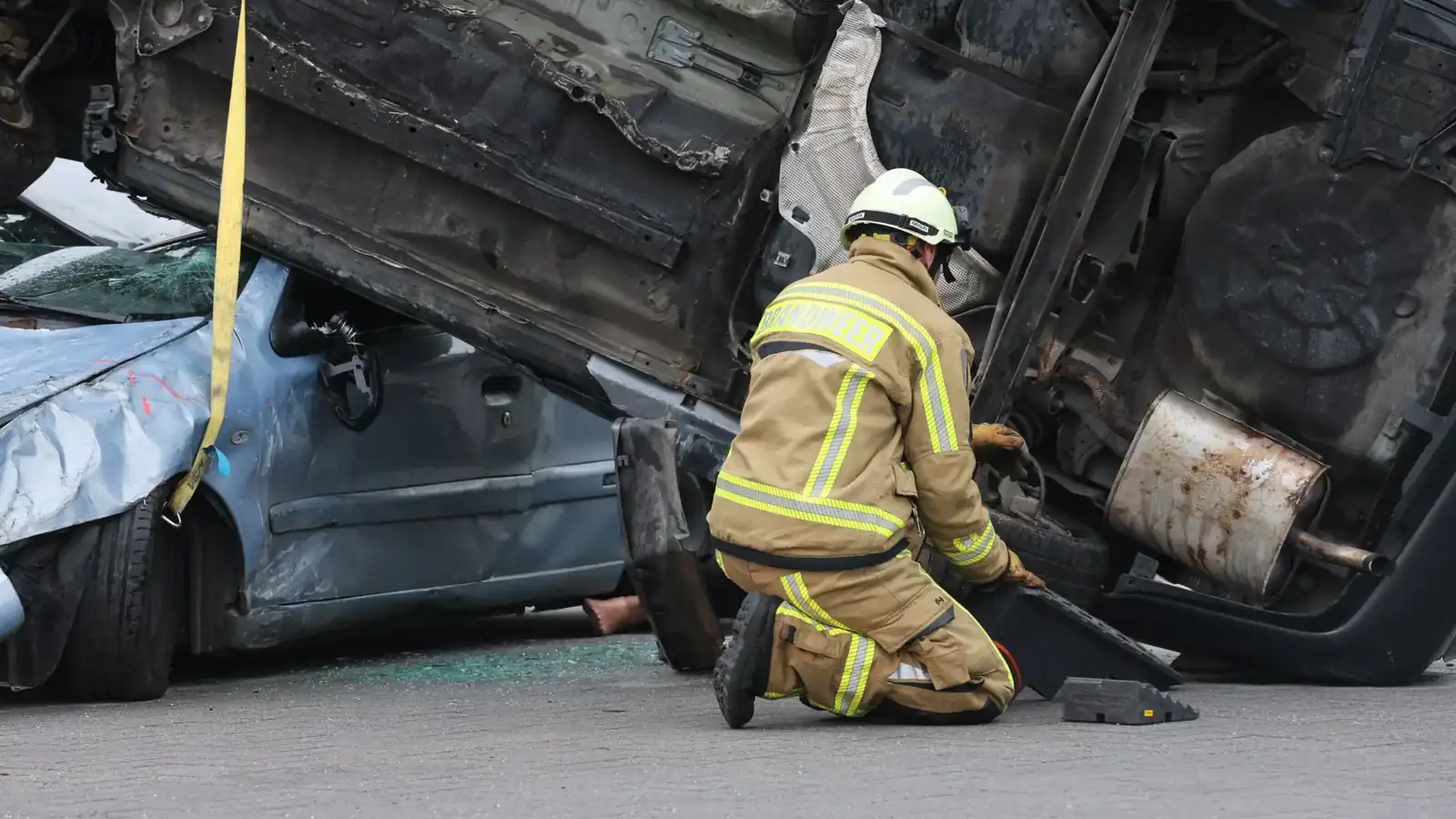
A high-speed collision can result in a traumatic brain injury, spinal cord damage, internal bleeding, multiple fractures, amputation, severe burns, or other injuries requiring trauma care, surgery, intensive care, and months of rehabilitation.
For seriously injured people in Shreveport and North Louisiana, access to advanced trauma care is particularly important.
Ochsner LSU Health Shreveport – Academic Medical Center on Kings Highway is the region’s Level I Trauma Center verified by the American College of Surgeons. It also has Level II pediatric trauma capabilities.
That distinction matters because Level I trauma care is designed for patients with the most complex traumatic injuries.
For a legal claim, however, the hospital is only the beginning.
When a car or 18-wheeler accident causes catastrophic injuries, the investigation must determine who caused the wreck, what insurance is available, whether several defendants share responsibility, and what the injured person will need for the rest of his or her life.
Why Does Level I Trauma Care Matter After a Serious Accident?
A Level I trauma center has resources designed to manage complex and life-threatening injuries.
Severe motor-vehicle trauma may require multiple medical specialties.
A patient may need:
- emergency surgery;
- neurosurgery;
- orthopedic surgery;
- critical care;
- diagnostic imaging;
- blood products;
- neurological monitoring;
- rehabilitation planning; or
- multiple specialists working together.
The seriousness of the medical response can become part of the documentation showing the extent of the injuries.
Ochsner LSU Health Shreveport and North Louisiana Trauma Care
Ochsner LSU Health identifies its Academic Medical Center on Kings Highway as the region’s only Level I Trauma Center verified by the American College of Surgeons.
Its system also identifies the Academic Medical Center as a Level II Pediatric Trauma Center.
For severely injured adults and children in North Louisiana, those capabilities can be critical after catastrophic motor-vehicle trauma.
What About Willis-Knighton?
North Louisiana also has substantial hospital resources through the Willis-Knighton Health System and its various facilities.
Depending on where an accident occurs, the nature of the injuries, EMS decisions, and the medical services required, a patient may initially be transported to one facility and later receive treatment from additional hospitals, specialists, rehabilitation providers, or outpatient practices.
For a legal claim, the complete medical story matters.
What Are the Most Serious Car Accident Injuries?
Catastrophic motor-vehicle injuries can include:
- traumatic brain injury;
- spinal cord injury;
- paralysis;
- multiple fractures;
- internal bleeding;
- organ damage;
- amputations;
- severe burns;
- crush injuries;
- nerve damage; and
- permanent disability.
These injuries may create consequences lasting decades.
Traumatic Brain Injury
A serious brain injury can affect far more than memory.
Symptoms may include:
- confusion;
- concentration problems;
- speech problems;
- personality changes;
- impaired judgment;
- headaches;
- balance problems;
- sleep disruption;
- emotional changes; and
- reduced executive function.
Some patients may require cognitive therapy or long-term supervision.
Spinal Cord Injury
Spinal cord trauma can result in partial or complete paralysis.
A patient may need:
- surgery;
- inpatient rehabilitation;
- wheelchairs;
- home modifications;
- mobility equipment;
- attendant care;
- medication; and
- lifelong medical monitoring.
A settlement that considers only the hospital bill may fail to account for decades of future needs.
Amputation Injuries
A catastrophic crash can cause traumatic amputation or injuries so severe that surgical amputation becomes necessary.
Future needs can include:
- prosthetics;
- replacement prosthetics;
- physical therapy;
- occupational therapy;
- pain management;
- additional surgery; and
- vocational rehabilitation.
Severe Burn Injuries
Vehicle fires can produce life-changing burns.
Treatment may include:
- surgery;
- skin grafts;
- infection treatment;
- scar management;
- rehabilitation; and
- psychological care.
Permanent scarring and disfigurement may also affect a person’s quality of life.
Why Are 18-Wheeler Injuries Often So Severe?
Passenger vehicles are dramatically smaller than tractor-trailers.
A collision may involve tremendous forces and can result in:
- vehicle intrusion;
- underride;
- crushing;
- multiple impacts;
- rollover;
- fire; or
- ejection.
When a commercial truck causes catastrophic injuries, the legal investigation should include the trucking company and its records—not merely the driver’s traffic citation.
Multiple Liable Parties in Trucking Cases
A serious 18-wheeler case may involve:
- driver;
- motor carrier;
- driver’s employer;
- tractor owner;
- trailer owner;
- maintenance provider;
- cargo-loading company; or
- another responsible entity.
The investigation should determine exactly what each party did.
Why Identifying Every Responsible Party Matters
Louisiana Civil Code Article 2324 generally provides that negligent joint tortfeasors are responsible according to their respective degrees of fault rather than automatically making one negligent defendant responsible for everybody else’s share.
That can make identification of all responsible parties particularly important in catastrophic cases.
Commercial Insurance Can Be Different From Passenger-Car Insurance
Federal law imposes financial-responsibility minimums on certain interstate motor carriers.
For covered property carriers, requirements can include:
- $750,000 for certain for-hire interstate/foreign carriers transporting nonhazardous property in vehicles with a GVWR of 10,001 pounds or more;
- $1 million for certain operations involving oil and specified hazardous materials; and
- $5 million for specified higher-risk hazardous-material transportation.
These are minimum federal requirements for covered operations.
They do not guarantee that a particular truck has exactly that amount.
Some trucking businesses carry higher limits.
Could There Be More Than One Insurance Layer?
Yes, depending on the operation.
Potential sources can include:
- primary commercial liability insurance;
- excess insurance;
- umbrella insurance;
- self-insurance; and
- separate policies associated with additional responsible parties.
Every policy should be verified.
Louisiana’s Direct Action Law Has Changed
Historically, Louisiana’s Direct Action Statute allowed injured people broad ability to name liability insurers directly.
Act 275 of 2024 narrowed that rule.
Current Louisiana Revised Statute 22:1269 generally permits a direct action against the insurer only in specified situations.
Those include certain cases involving:
- bankruptcy;
- insolvency;
- inability to obtain service or failure to defend under statutory circumstances;
- an uninsured-motorist carrier;
- a deceased insured; and
- certain coverage disputes.
This does not mean insurance is irrelevant.
It means the procedural method for involving the insurer has changed.
Why Isn’t the Jury Simply Told the Insurance Limits?
Louisiana evidence law restricts disclosure of insurance information to jurors.
The existence, identity, and amount of coverage generally are not simply announced to a jury, subject to statutory evidentiary exceptions.
That prevents a catastrophic injury case from becoming simply:
“How much insurance is available?”
The jury’s job is to evaluate the evidence and damages under the applicable law.
How Are Catastrophic Damages Evaluated?
A catastrophic case should consider both present and future consequences.
Potential economic losses can include:
- emergency transportation;
- trauma hospitalization;
- surgery;
- rehabilitation;
- future medical treatment;
- medications;
- medical equipment;
- home health care;
- lost wages; and
- reduced earning capacity.
Potential legally recoverable non-economic damages can address the human consequences of the injury.
What If the Patient Cannot Return to Work?
Future earning capacity may become a major part of the case.
Evaluation can involve:
- occupation;
- earnings history;
- education;
- physical restrictions;
- cognitive restrictions;
- age;
- work-life expectancy; and
- alternative employment possibilities.
What If a Family Member Must Become a Caregiver?
A catastrophic injury affects the family as well as the patient.
A person may need assistance with:
- bathing;
- dressing;
- transportation;
- mobility;
- medication;
- meals; and
- medical appointments.
Future care needs should be documented by appropriate medical and other professionals.
What Medical Records Matter?
Potential documentation includes:
- EMS records;
- emergency records;
- trauma records;
- ICU records;
- imaging;
- operative reports;
- specialist records;
- rehabilitation records;
- therapy documentation; and
- future-care recommendations.
What If the Insurance Company Makes an Early Offer?
Be cautious about resolving a catastrophic claim before future needs are understood.
An early settlement may occur before doctors know whether the injured person will:
- need another surgery;
- return to work;
- regain mobility;
- require permanent assistance; or
- develop complications.
Once a claim is finally released, future developments do not necessarily reopen it.
What Should a Family Do While the Patient Is Hospitalized?
The patient’s health comes first.
Family members can also preserve basic accident information.
Save:
- photographs;
- police information;
- witness information;
- truck identification;
- insurance correspondence;
- medical documents; and
- employment records.
Avoid confronting responsible parties or attempting to personally investigate dangerous equipment.
Jacqueline Scott & Associates Handles Serious Injury Cases
When someone leaves an accident scene in an ambulance and ends up in a trauma center, the case is no longer about a dented vehicle.
It may be about the rest of that person’s life.
The investigation should ask:
Who caused the accident?
Was an 18-wheeler involved?
Are multiple companies responsible?
What electronic evidence exists?
What insurance layers may apply?
What treatment will the patient need in five, ten, or twenty years?
Can the injured person ever return to the same career?
Jacqueline Scott & Associates investigates serious car accidents, 18-wheeler wrecks, and catastrophic injury cases throughout North Louisiana.
Make ’Em Pay.
Call (318) 746-5997.
Every case is different. Medical needs, legal responsibility, insurance coverage, and recoverable damages depend on the particular facts and applicable law. Prior results do not guarantee a similar outcome. This article provides general educational information and is not legal advice.
This article is general information about Louisiana law and is not legal advice. Laws and deadlines can change, and every case depends on its own facts. Past results do not guarantee or predict future outcomes. Reading this page or contacting the firm does not by itself create an attorney-client relationship.


